when it comes to wellness —
have we lost the plot?
Is this health?
Every 3.5 seconds, a woman hears something new will change her life or get her to her goal faster. And so she adds another task to her already overflowing wellness routine — mouth taping, cold plunging, vibration plates, calorie deficits, protein quotas, 10k steps with a weighted vest. But, I can’t help but wonder: is this the way? Is the path back to the body really paved with more devices, more data, more self-surveillance, or is all of that just noise that we’ve learned to call health?

The research
Body Language is the research project behind the book of the same name. While the book itself is still unfolding, the research isn’t new. It’s the result of more than thirty years spent inside fitness culture — teaching, coaching, training, dieting, recovering, and observing (including myself). Long before I had language for anthropology, I was already doing the work: watching how women relate to their bodies, and noticing what changes when wellness shifts from something you live inside to something you’re expected to optimize and control.
Over time, a pattern became hard to ignore. Modern wellness culture seems to organize itself into two distinct camps. In one, wellness becomes a project: tracked, measured, managed, controlled, refined. But, I’ve noticed that despite unprecedented access to information, tools, and protocols, the people most devoted to this approach often appear more disconnected from their bodies than ever. The more effort goes into control, the harder it becomes to hear the body’s signals at all.
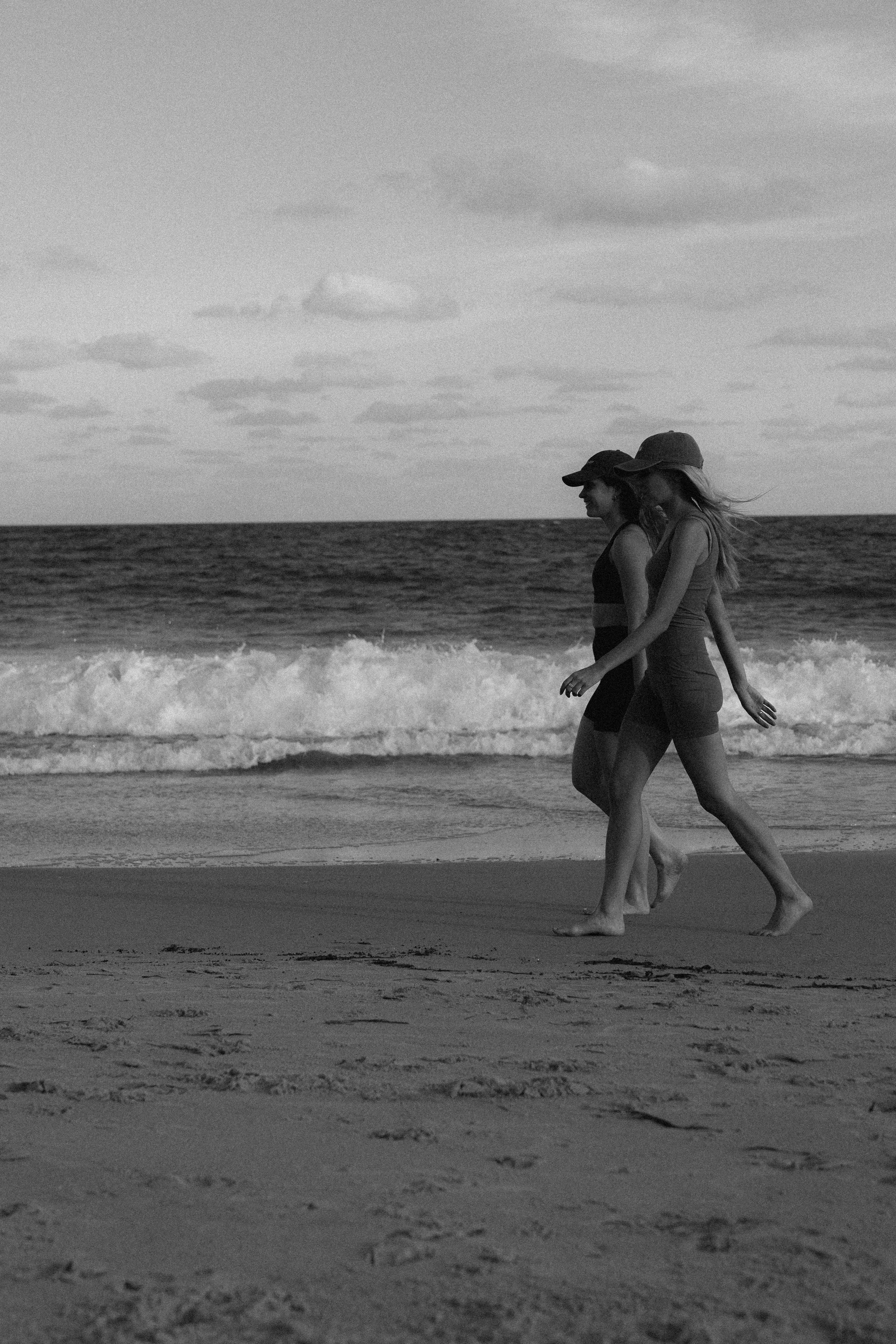
In the other camp are people who seem more relaxed in their wellness — not because they’re careless or disengaged, but because their care takes a different form. They aren’t counting macros or policing steps, yet they’re not avoiding responsibility either; they move, they cook, they get outside, they keep rhythm with their bodies. Wellness, for them, isn’t a task to complete but a way of living they inhabit.
In 2026 I’ll be traveling internationally to continue my ongoing investigation into that divide. I’m asking: what happens when wellness becomes a system to manage versus a life to inhabit, how people eat, move, rest, relate, and recover under each mindset, and what becomes possible in a life shaped by each approach.
the languages
Alongside this research, I keep returning to what I call the languages of the body — the ways the body communicates long before we started to track, measure, or explain it. Over the last few years, I’ve identified six core languages I see again and again in women’s lives: light, movement, nourishment, pleasure, weight, and beauty. They’re not metaphors or “wellness categories.” They’re access points — physiological and cultural signals that tell us what a body is responding to, what it needs, and what it’s been overriding. This is the heart of the book Body Language: an exploration of these languages, how we lost fluency in them, and what changes when we learn to listen again. Modern diet and wellness culture tends to drown those signals out, replacing sensation with numbers, intuition with rules, and relationship with control. This is where anthropology matters: it shifts us from managing the body from the outside to inhabiting it again — listening, responding, and learning to speak back.